 0
0
 0
0
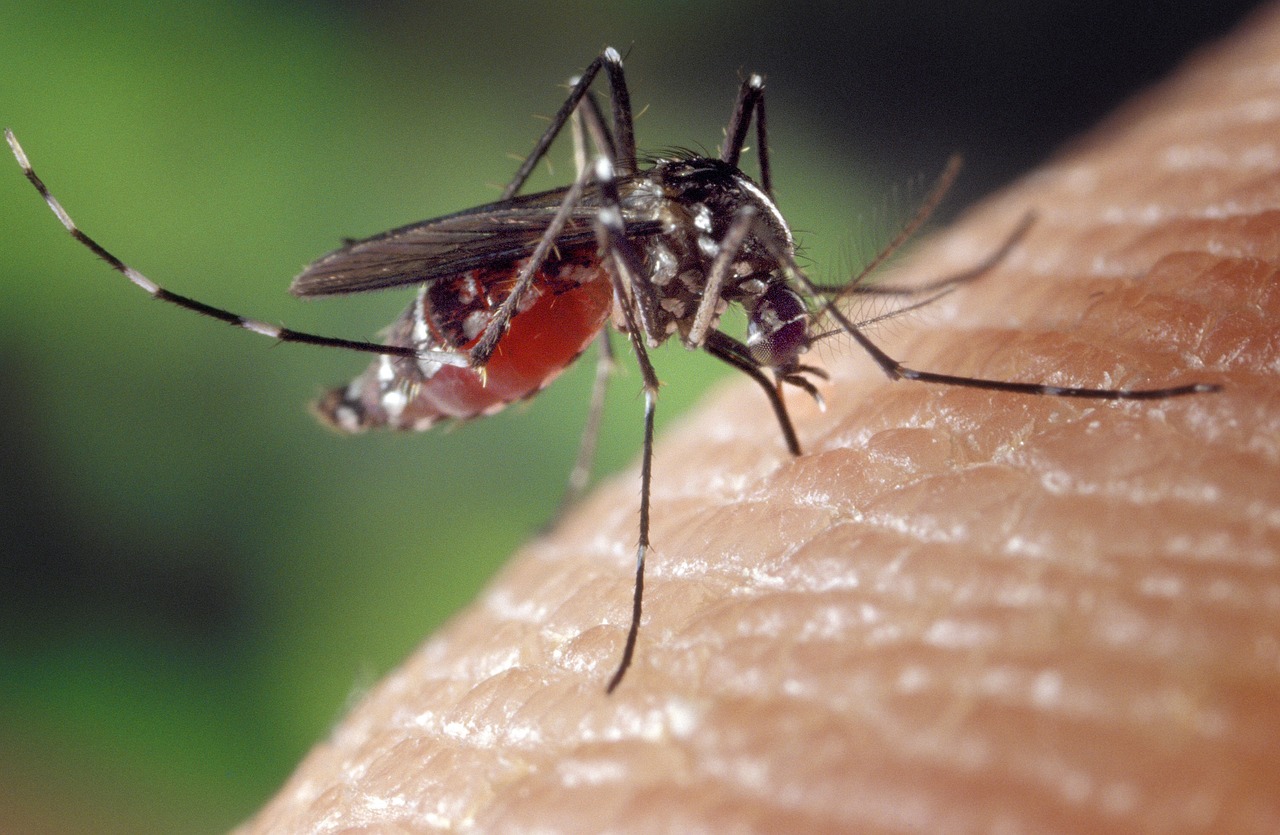
Vienna is facing an unwelcome newcomer: the Asian tiger mosquito has now established itself across the entire city — and residents are feeling the effects even in broad daylight.
Warmer Days, More Bites
With temperatures in Austria expected to climb toward 30°C by the weekend, the early-summer mosquito season is kicking in fast. According to Maria Unterköfler from the University of Veterinary Medicine Vienna, last week’s rainfall combined with rising temperatures creates ideal breeding conditions.
She told ORF that mosquito populations can “skyrocket” under these circumstances.
Tiger Mosquito Now Widespread in Vienna
Austria’s scientific mosquito monitoring program — which traps and analyzes insects — has confirmed a major shift:
the Asian tiger mosquito, an invasive species originally from Southeast Asia, has now spread throughout Vienna.
Citizen reports via the Mosquito Alert App support the findings.
What makes this species particularly troublesome is its daytime biting behavior, a stark contrast to native mosquitoes that are most active at dusk.
Numbers Rising, Trend Continuing
Experts say the number of tiger mosquitoes has increased sharply in recent years, and the upward trend is expected to continue.
In Graz, authorities have begun releasing millions of sterile male mosquitoes to curb reproduction. But Unterköfler doubts the long-term cost-effectiveness of this strategy.
Fewer Mosquitoes Overall — But Climate Stress Is Growing
Interestingly, despite the rise of the tiger mosquito, Vienna’s overall mosquito population has dropped by about half over the past decade.
Unterköfler attributes this to:
- Insect decline
- Climate instability: milder winters interrupted by sudden cold snaps disrupt mosquito development cycles.
Standing Water: The Real Danger
Mosquitoes need stagnant water to reproduce. Even small amounts — in flowerpot saucers or toys left outdoors — are enough.
Unterköfler recommends:
- Covering rain barrels
- Emptying plant saucers
- Draining water from outdoor toys
Since mosquitoes can only fly 100–150 meters, eliminating breeding sites near homes can significantly reduce bites.
- source: heute.at/picture: pixabay.com



This post has already been read 10370 times!